The Art of Tasting Coffee as One Would a Fine Vintage: Revelations of Aroma and Terroir.
- Apr 13
- 5 min read
Every day, millions of cups of coffee are consumed without truly taking the time to savor them.
And yet, coffee holds an aromatic richness that rivals that of the finest wines. Delicate acidity, a velvety body, floral, chocolatey, or spicy notes coffee is not merely a beverage; it is a true sensory experience.
In this article, you will discover how to taste coffee like a professional, gain a deeper understanding of its aromas, and grasp the profound influence of terroir on its flavor.
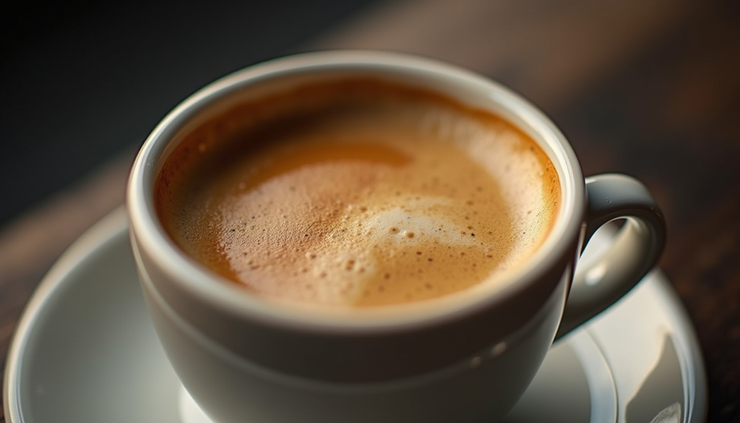
Coffee and Wine: The Comparison That Changes Everything
To compare coffee with wine is not a mere marketing device; within the world of specialty coffee, the parallel proves both relevant and insightfu
Much like wine, coffee expresses:”
its origin,
its terroir,
its variety,
its method of processing,
and its own distinctive sensory signature.
In other words, two coffees may differ as profoundly as wines born of different regions or grape varieties. This diversity is what makes some coffees round and indulgent, while others reveal floral notes, lively brightness, or striking intensity.
Terroir: The Essence of Flavor
Coffee’s flavor is intrinsically linked to its environment. Much like wine, terroir lies at the heart of its final aromatic expression. Three key factors, in particular, exert a defining influence on the cup:
Altitude
The higher the altitude at which coffee is cultivated, the slower its maturation. This gradual development often yields a finer, more elegant acidity, along with enhanced aromatic complexity
Climate
Temperature, humidity, and sunlight shape the development of coffee cherries and the accumulation of sugars.
Soil
Soil composition, organic richness, and mineral content all shape the personality of coffee. A high-altitude coffee will often reveal more delicate, sometimes floral or fruit-driven notes, while those grown at lower elevations tend to be rounder, softer, with nuances of chocolate or dried fruit. It is this very interplay between the bean and its environment that lends coffee its depth and singular identity.
Source: Specialty Coffee Association — standards relating to coffee quality and terroir.
Varieties: Arabica and Robusta
Much like grape varieties in wine, each coffee variety carries its own unique signature.
Arabica
Arabica is sought after for its refinement, complexity, and aromatic elegance. It typically unveils floral, fruit-driven, or chocolate notes, carried by a subtler, more nuanced acidity.
Robusta
Robusta is distinguished by its greater intensity, more assertive bitterness, a heavier body, and a higher caffeine content. Neither can be deemed inherently superior; it ultimately depends on the profile sought in the cup and the experience desired by the taster.
Processing Methods
After harvesting, the manner in which coffee is processed directly shapes its flavor.”
Washed Coffee
The washed process typically produces a cleaner, more refined profile, marked by remarkable aromatic clarity
Natural Coffee
The natural process tends to bring out a fuller, rounder body, heightened sweetness, and richly expressive fruit notes.
Honey Coffee
The honey process strikes a compelling balance between sweetness, mouthfeel, and vibrancy. Roasting then comes into play as a decisive factor in the coffee’s final expression: when skillfully executed, it unveils the bean’s full potential; when mishandled, it can dull its aromas or amplify bitterness
Source: International Coffee Organization (ICO).

On the Art of Tasting Coffee Like a Professional
To taste coffee is not merely to drink it; it is an experience that engages the senses and invites a deeper understanding of what resides within the cup
1. Aroma: Exploring the Aromatic Phase
Before even bringing it to your lips, start by inhaling the aromas of the ground coffee, then of the brewed cup. Try to discern a few broad aromatic families:
cocoa,
citrus fruits,
floral aromas,
spice notes,
dried fruit notes,
caramel undertones.
This initial step prepares the palate and heightens the senses.
2. Observation
Visual analysis already provides valuable insights.
Observe:
the color,
the texture,
the density,
the crema, in the case of an espresso.
A fine, stable crema can suggest a well-mastered extraction, though it is not, in itself, enough to determine the coffee’s overall quality.
3. Tasting
Take a small sip and allow the coffee to spread across your palate.
Try to assess:
the acidity,
the body,
the balance,
the length on the palate,
the dominant aromas.
A fine coffee is never defined by a single note; it evolves across the attack, the mid-palate, and the finish.
4. Describing the Sensations
The essential question is not merely, ‘Do I like it?’ but rather, ‘What does this coffee evoke?’ It may call to mind dark chocolate, hazelnut, citrus, white blossoms, or delicate spices, and reveal a texture that is velvety, syrupy, or strikingly light.
“It is in this way that the palate is gradually shaped.

Exploring the Aromas of Coffee
The aromas of coffee may appear complex at first, yet with a little practice, they gradually become more discernible
They can be grouped into broad families:
Fruity: citrus, red berries, ripe fruits
Floral: jasmine, white flowers, tea
Chocolatey: cocoa, hazelnut, praline
Spicy: cinnamon, pepper, clove
Roasted: caramel, toasted bread, brown sugar
Three key concepts are particularly useful for better understanding what is in the cup
Acidity
It defines the coffee’s liveliness. When properly balanced, it lends brightness and refinement.
Body
It defines the coffee’s mouthfeel whether light, rounded, velvety, dense, or syrupy.
Length
It is the persistence of aromas on the finish. The clearer and more refined it is, the more enduring the impression the coffee leaves behind.
Grasping the True Influence of Terroir
Terroir is not confined to a location on a map; it finds tangible expression in the cup. Here are a few simple examples:
Ethiopia (Origin)
Coffees from Ethiopia are often distinguished by their floral character, lively brightness, and refined aromatic complexity.
Brazil (Origin)
Brazilian coffees often display a rounder, more chocolatey profile, with low acidity and a pleasing, indulgent character.
Honduras (Origin)
Coffees from Honduras often present a delicate profile, sometimes floral, with a fine and elegant acidity.
Uganda (Origin)
Ugandan coffees may reveal a more intense, structured profile, with spicy, woody, or boldly expressive notes, depending on the lot and variety. It is precisely this diversity that makes coffee so compelling—each origin tells its own story.
How Learning to Taste Transforms Your Relationship with Coffee
Learning to taste elevates a daily ritual into a genuine experience.
This allows you to:
gain a deeper understanding of what you are drinking,
identify quality coffee,
refine your palate,
enhance your enjoyment,
adopt a more mindful approach to consumption.
Coffee is no longer chosen at random; you learn to discern what truly resonates with your taste.
A Simple Exercise You Can Try at Home
To begin, there is no need to overcomplicate matters.
Simply try this:
Choose two different coffees
Brew them using the same method
Taste them side by side
Compare their acidity, body, and finish
In just a few minutes, distinct differences will begin to emerge. It is often at this moment that tasting becomes truly real.
Discover the Art of Coffee with FREEDOMCOFFEE
At FREEDOMCOFFEE, we believe that a fine coffee is not meant to be consumed absentmindedly; it is meant to be discovered, experienced, and deliberately chosen. This is why we carefully select coffees of character, each one capable of expressing its origin, its balance, and its unique personality in the cup.
Our ambition is simple: to offer you a new way of experiencing coffee—one defined by greater pleasure, deeper awareness, and a higher standard of excellence.
Transition from consumption to true tasting.
Coffee can be far more than a simple morning habit. It can become a moment to slow down, to observe, to breathe in, and to appreciate.
The next time you make a cup, take a few extra secondslook at it, smell it, truly taste it. You may just realize that you had been overlooking the essential.


Comments